

Double Regulating Valve (DRV): The Complete Guide for HVAC Systems
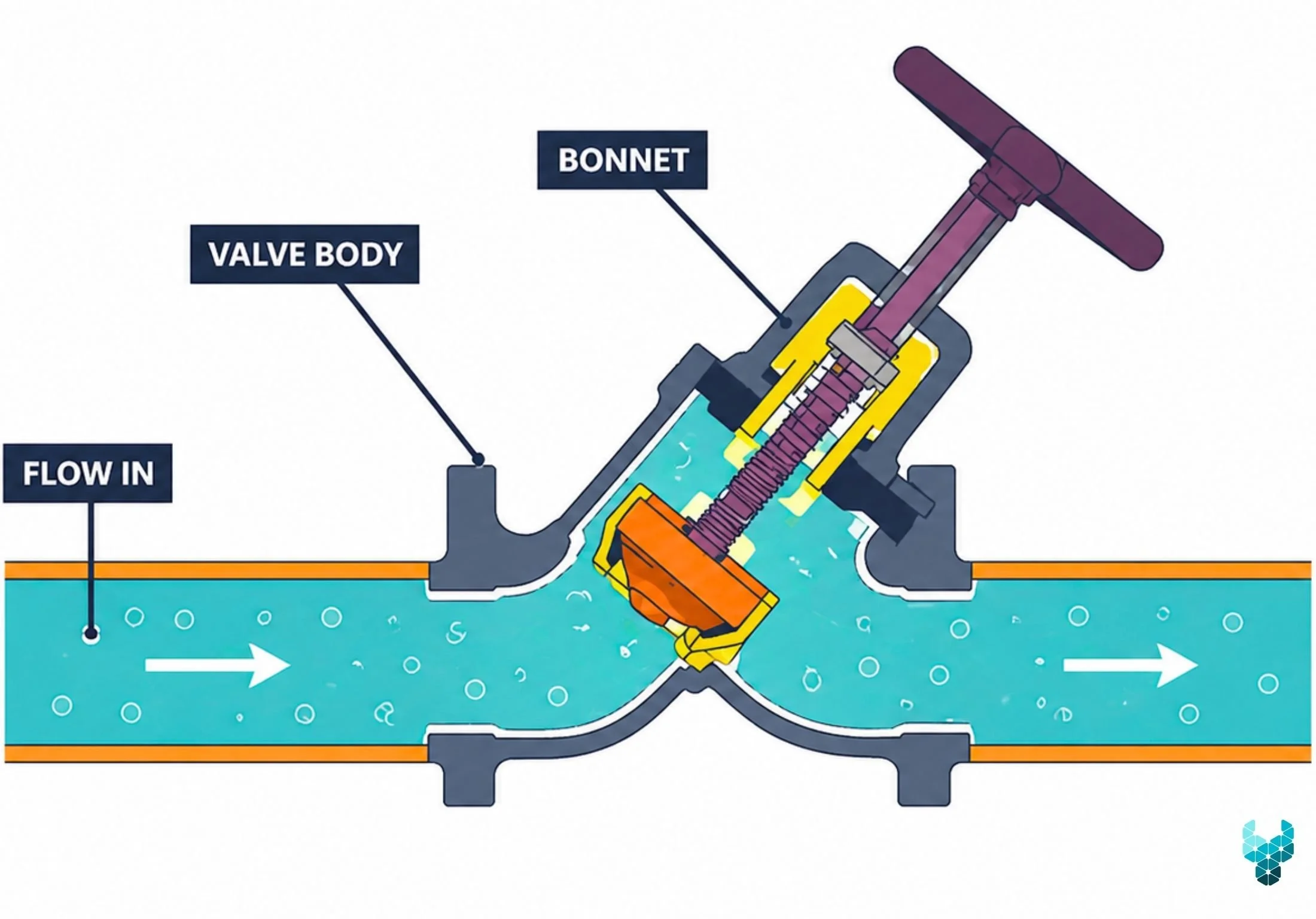
A Double Regulating Valve (DRV) is called “double” because it provides two distinct levels of control in a single valve; Flow Regulation and Verification along with Flow Isolation.
What is a Double Regulating Valve?
A Double Regulating Valve (DRV) is a manual balancing valve used in hydronic HVAC systems to control, measure, and regulate water flow through pipes. It plays a critical role in ensuring that each terminal unit (AHU, FCU, heat exchanger, etc.) receives the correct flow as per design.
Unlike standard valves, a DRV allows:
Flow regulation (throttling)
Flow measurement (via test points)
Isolation (shut-off capability)
This combination makes it a key component in achieving hydronic balance.
Why is a Double Regulating Valve called a Double Regulating Valve?
A Double Regulating Valve (DRV) is called “double” because it provides two distinct but complementary levels of control in a single valve, both essential for hydronic balancing:
1. Flow Regulation (Balancing Function)
The valve can be precisely throttled to create the required pressure drop and achieve the design flow rate through a coil or branch. This is the primary balancing function used during commissioning.
2. Isolation with Memory (Position Retention)
The valve can be fully closed for maintenance (isolation) and then reopened back to the exact same preset position using an internal memory stop mechanism. This ensures the original balancing setting is not lost.
Why is a Double Regulating Valve Important?
In real-world HVAC systems, flow rarely distributes evenly due to:
Pipe length variations
Pressure imbalances
Improper pump sizing
System modifications over time
Without balancing:
Some coils get excess flow (low ΔT problem)
Others get insufficient flow (poor cooling/heating)
Pump energy consumption increases
A DRV helps fix this by ensuring design flow conditions are achieved and maintained.
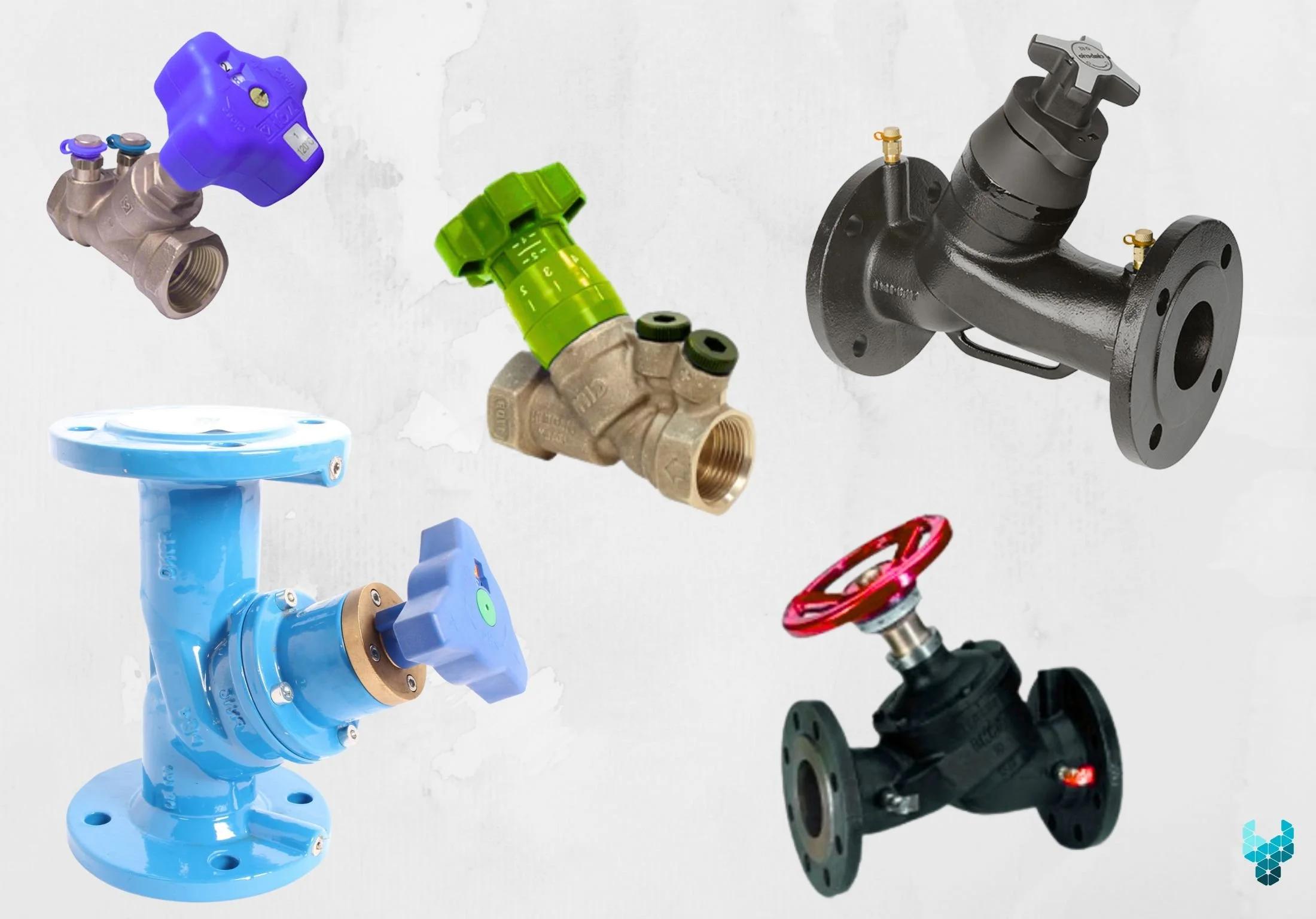
Key Functions of a DRV
1. Flow Balancing
The valve can be manually adjusted to restrict or allow flow, ensuring each branch gets the required volume.
2. Flow Measurement
DRV comes with pressure test points. By measuring differential pressure across the valve, technicians can calculate flow using manufacturer charts.
3. Memory Stop Feature
Once set, the valve position can be locked, so it returns to the same setting after maintenance or shutdown.
4. Isolation
Acts as a shut-off valve during maintenance without disturbing system balance.
How a Double Regulating Valve Works
A DRV works by introducing a controlled pressure drop in the system.
The valve position determines resistance
Resistance controls flow rate
Measured pressure difference correlates to flow
In essence:
Higher resistance → Lower flow
Lower resistance → Higher flow
Where are DRVs Used?
DRV valves are typically installed in:
Chilled water systems
Hot water systems
District cooling networks
AHU/FCU branch lines
Riser balancing points
Typical Locations:
Return line of coils (preferred for stability)
Branch take-offs
Across major system loops
Limitations of Double Regulating Valves
While DRVs are useful, they have limitations:
Manual adjustment required
No automatic compensation for pressure changes
Performance depends on proper commissioning
Not ideal for highly dynamic systems (e.g., VFD-driven systems with frequent load variation)
Best Practices for Installation
To get the most out of a DRV:
Install in straight pipe sections (avoid turbulence)
Follow minimum upstream/downstream distances
Ensure easy access for measurement ports
Install on return line for better control
Label valve settings after commissioning
Commissioning and Balancing Process
Measure differential pressure across the DRV
Refer to manufacturer flow charts
Adjust valve position to achieve required flow
Lock the setting using memory stop
Document final readings
When Should You Use DRVs?
DRV valves are ideal when:
The system is constant flow or mildly variable
Budget constraints exist
Manual balancing is acceptable
System complexity is moderate
For advanced systems consider dynamic balancing valves or PICVs along with DRVs.